Jonathan Ames

Jonathan Ames ile 1994 yılında, 1993 tarihli, İletişim Yayınları’ndan Fatih Özgüven ile Murat Tüfekçioğlu’nun çevirisiyle çıkan, Gece Gibi Geçiyorum vesilesi ile tanışmış ve hayli etkilenmiştim. Fakat tanışıklığımız o aşamada kaldı nedense.

Geçen aylardan birinde, bir arkadaş ile ilgili bir giriş yapayım istedim ve aklıma, düşününce mantıklı olarak, kitaptan “Dostum Alışverişe Çıkan Beyefendi” (My Friend, The GentleMan Shopper) pasajını alıntılamak geldi. Hem bu sebepten, hem de kitabı özlediğimi fark ettiğimden, kitabı almak için kaç yere sorduysam da, bir türlü ulaşamadım. Türkiye ve P2P’lerde rastlayamayınca, o sıralar Türkiye’ye gelme hazırlığı yapmakta olan Yasemin yetişti. Ondan kitabın orijinalini rica ettim. O da sağolsun, aramış fakat bulamayınca yine Ames’in Wake Up, Sir!‘ünü getirmiş bana. Derken, birkaç hafta önce “memleketi” Minnesota’ya gidecek olan Bayram Hoca‘dan rica ettim. Sağolsun, o da şehirdeki kitapçıların altını üstüne getirip, sonunda I Pass Like Night‘ı ele geçirmiş. Kitabı nihayet, Ece için almış olduğu Minnesota Üniversitesi amigo kız kıyafeti ile birlikte geçen hafta teslim aldım 8). Kitap hâlâ çok güzel. Bu arada, itiraf etmeliyim ki, İletişim Yayınları’nın kapağı, orijinalinden daha çok yakışıyor. Hem uslup, hem de tema gene beni benden aldı. Okuyup okuyup da çok merak ettiyseniz, vaktiyle Epigraf’a koyduğum Son Kapıdan Dışarı pasajını, ya da My Friend, The Gentleman Shopper‘ı okuyabilirsiniz.

Other Wind

Tehanu‘dan sonra, Tales from Earthsea‘den, UKLG’nin tavsiyesi üzerine Dragonfly‘ı okuduktan sonra, Other Wind‘e başladım. Pek fena değil ama ne ilk kitapların hareketliliğini, ne de Tehanu‘nun dinginliğini verebiliyor. Şimdiye kadar kitapta en çok hoşuma giden, teyzenin hayvanlar üzerine yaptığı şu tasvir oldu:

Otak, Ruth Robbins
As they walked back to the Old Mage’s house, the kitten tucked inside Alder’s shirt, Sparrowhawk explained. “Once, when I was new to the art, I was asked to heal a child with the redfever. I knew the boy was dying, but I couldn’t bring myself to let him go. I tried to follow him. To bring him back. Across the wall of stones… And so, here in the body, I fell down by the bedside and lay like the dead myself. There was a witch there who guessed what the matter was, and she had me taken to my house and laid abed there. And in my house was an animal that had befriended me when I was a boy on Roke, a wild creature that came to me of its own will and stayed with me. An otak. Do you know them? I think there are none in the North.”

Alder hesitated. He said, “I know of them only from the Deed that tells of how… how the mage came to the Court of the Terrenon in Osskil. And the otak tried to warn him of a gebbeth that walked with him. And he won free of the gebbeth, but the little animal was caught and slain.”

Sparrowhawk walked on without speaking for twenty paces or so. “Yes,” he said. “So. Well, my otak also saved my life when I was caught by my own folly on the wrong side of the wall, my body lying here and my soul astray there. The otak came to me and washed me, the way they wash themselves and their young, the way cats do, with a dry tongue, patiently, touching me and bringing me back with its touch, bringing me back into my body. And the gift the animal gave me was not only life but a knowledge as great as I ever learned on Roke… But you see, I forget all my learning. “A knowledge, I say, but it’s rather a mystery. What’s the difference between us and the animals? Speech? All the animals have some way of speaking, saying come and beware and much else; but they can’t tell stories, and they can’t tell lies. While we can…”

“But the dragons speak: they speak the True Speech, the language of the Making, in which there are no lies, in which to tell the story is to make it be! Yet we call the dragons animals..”

“So maybe the difference isn’t language. Maybe it’s this: animals do neither good nor evil. They do as they must do. We may call what they do harmful or useful, but good and evil belong to us, who chose to choose what we do. The dragons are dangerous, yes. They can do harm, yes. But they’re not evil. They’re beneath our morality, if you will, like any animal. Or beyond it. They have nothing to do with it.”

“We must choose and choose again. The animals need only be and do. We’re yoked, and they’re free. So to be with an animal is to know a little freedom…”

UKLG, The Other Wind

Vaktiyle Cemal Süreya, kediler üzerine, polis köpeği olmasına rağmen, hiç polis kedisi görmediğini bildirmişti. Vaktiyle, ben de şöyle bir yorumda bulunmuştum: Kediler, kötü olmamakla birlikte, iyi hiç değildirler.. Vaktiyle zaten bir sürü şey vardı kedilerle ilgili…

Tehanu..

…While we’re at it, Earthsea really does go in order, because it is all one story: A Wizard of Earthsea, The Tombs of Atuan, The Farthest Shore, Tehanu, Tales from Earthsea, The Other Wind. (My British publisher insisted on doing the two last in the wrong order, and I’m very sorry about that, since “Dragonfly” in the Tales makes the bridge between Tehanu and The Other Wind.)

UKLG, Earthsea kitaplarının hangi sırada okunması gerektiğine dair.. (Alternatif bir listeye ve olayların kronolojik sıralamasına da Wikipedia‘dan erişebilirsiniz)

At the end of the fourth book of Earthsea, Tehanu, the story had arrived at what I felt to be now. And, just as in the now of the so-called real world, I didn’t know what would happen next. I could guess, foretell, fear, hope, but I didn’t know.

Unable to continue Tehanu’s story (because it hadn’t happened yet) and foolishly assuming that the story of Ged and Tenar had reached its happily-ever-after, I gave the book a subtitle: “The Last Book of Earthsea.”

O foolish writer. Now moves. Even in storytime, dreamtime, once-upon-a time, now isn’t then.

Seven or eight years after Tehanu was published, I was asked to write a story set in Earthsea. A mere glimpse at the place told me that things had been happening there while I wasn’t looking. It was high time to go back and find out what was going on now.

UKLG, Tales from the Earthsea’nin önsözünden

Tehanu

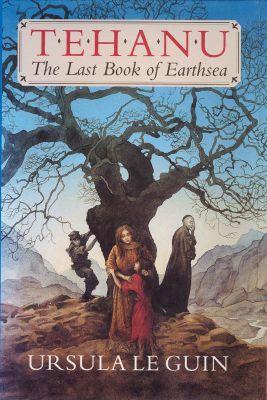
Az evvel Tehanu’yu bitirdim. İlk üç kitaptan sonra, hakikaten de zihin açıcı bir kitap oldu. İlk üç kitabın çıkış tarihleri: A Wizard of Earthsea – 1968 / The Tombs of Atuan – 1972 / The Farthest Shore – 1974. Serinin çoğunlukla üçleme diye anılması da bundan. Hikayeleri saymazsak, seriye ait 4. kitap olan Tehanu‘nun yayımlanış tarihi 1990. Konu itibarı ile 3. kitabın bittiği yerden başlıyor fakat arada bir 20 yıl var. Bu 20 yıl nasıl mı yansıyor hikayeye ve anlatıma? Şöyle bir örnek vereyim: Tolkien, Hobbit’i 1937’de yılında, Yüzüklerin Efendisi serisini ise 1954-55 yıllarında yayımladı. Bizim zamanımızla aradan 20 yıl, romanda da 60 yıl kadar bir zaman geçmiştir. Hobbit’te Bilbo Smaug’u avlamaya gider, Yüzüklerin Efendisi’nde ise hepinizin malumu, Ejder yerine Sauron’un üstesinden gelmeye çalışılır. Tehanu bu noktada farkını gösteriyor. Hikayeyi okumayanlara spoil etmeden anlatmaya çalışacağım, bu yüzden de biraz sade suya tirit kaçabilir. İlk üç kitapta kitabın kahramanı büyücü Ged’in başından geçen hikayeler anlatılıyor. Ursula Teyze, “Alegorinin anlamını öğrendiğimden beridir her türlü tezahüründen tiksindim” diyen JRRT’nin aksine, ilk kitabı büyümeyle, ikinci kitabı cinsellikle, üçüncü kitabı ise ölümle özdeşleştirdiğini söylemeye çekinmez. Kitapları okurken bu temaları bariz biçimde görebiliyorsunuz, ona bir şey demiyorum, hem ben değil miydim, Richard Kelly Donnie Darko‘nun banliyöde büyüme sancılarını anlattığını söylediğinde, “aaa, hakikaten yahu!” diyen? Neyse, UKLG’e ve Tehanu’ya dönmek istiyorum. 3. ile 4. kitaplar arasında geçen zaman hakikaten Ursula Teyze’ye yaramış. İlk üç kitabın bir derdi, anlatması gereken bir olayı vardı, hedefe varmak isterler, bir sonu vardır. Tehanu ise yudum yudum tadına varılan, dingin bir kitap. İlk üç kitabı okurken, kitapları beğenmekle birlikte, doğrusu UKLG’in kişiliğinden yola çıkarak biraz daha beklentiye girmiştim.. “Bu kral, düzen sevgisi nereden geliyor yahu? Neden ille de erkekler? Niye ille de dünyayı kurtaran kahramanlar, niye one-man-saves-the-day?..” İşte, teyzem, Tehanu’yla birlikte aradığım cevabı çok da sağlam bir şekilde (yine de son 20 sayfayı saymayalım) veriyor. Sıradan insanların sıradan dertleri. Ged ve Tenar Unplugged diyeyim, zaten bilen anlar. Buradaki insanların Ged ve Tenar olması da çok fark etmiyor (yine son 20 sayfayı tenzih ediyorum), hikaye Ged’le başlamıştı, onla sürsün demiş teyzem sanki, yani bir zorunluluk durumu yok. Lebannen’i istese deus-ex-machina olarak kullanabilirdi, kimse karşı çıkmazdı, ama kullanmıyor. Ya da şöyle diyeyim, azıcık kullanarak, aslında istese köküne kadar kullanabileceğinin sinyalini veriyor. Gelelim dokundurup durduğum şu son 20 sayfa olayına (Spark’ın dönüşünden itibaren gelişen olaylar): Bu kitap ille de bir alegorinin hedefi olacaksa, o da kadınlık durumunun olacaktır; pek memnun olmasam da, bunu kabul edebilirim, peki, mutlaka mesaj vermek istiyorsa, verebilir tabii. Ama şu ejder-insan ikileminde biraz klişeye kaçıyor. Tehanu vakası ise bir adet Grand Closing aracı oluyor. Zaten kitabın orijinal adı da yalnızca Tehanu değil, Tehanu: The Last Book of Earthsea. Bu girişe eklediğim kapak çok hoşuma gitti, diğer basımların kapaklarıyla kıyaslandığında da öne geçiyor. İngiliz baskısının kapağı imiş. Burada buldum, aynı yerde diğer kapakları da görebilirsiniz. Amerikan baskısının kapakları daha bir konsepte uygun gelse de, İngiliz basımlarının kapakları daha içten geliyor.

Son olarak, şu kitap sıralamasını ararken, UKLG’in resmi sayfasında, Studio Ghibli’nin gönderdiği Gedo Senki özetini okudum da, fena olmamış ama niye orijinalini yapmak varken, böyle bir yola girmişler, bütün hikayeleri harmanlamışlar? Bir de, Ursula K. LeGuin’in ilgili sitesindeki sayfa sayesinde fark ettim: filmin İngilizce adı hep Tales from Earthsea diye geçiyor, orijinal ismi ise Gedo Senki, yani Tales of Ged. Neyse, zaten sıradaki kitap Tales from Earthsea, okuyalım, görelim. 8)

the farthest shore

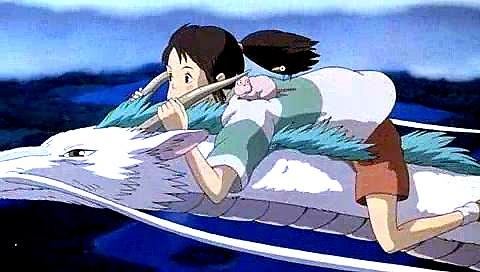
ya da Chihiro: “You don’t remember your name?” / Haku: “No, but for some reason I remember yours.”

LeGuin’in The Farthest Shore‘unu okumaya devam ediyorum. En son Arren’le Ged, ipekçilerin Lorbanery Adası’na geldiler. Geçen gün ejderhalar hakkında güzel bir pasaja rasgeldim; bu girişi yapışım da onu aktarabilmek içindir zaten:

“Can it be a kind of pestilence, a plague, that drifts from land to land, blighting the crops and the flocks and men’s spirits?”

“A pestilence is a motion of the great Balance, of the Equilibrium itself; this is different. There is the stink of evil in it. We may suffer for it when the balance of things rights itself, but we do not lose hope and forego art and forget the words of the Making. Nature is not unnatural. This is not a righting of the balance, but an upsetting of it. There is only one creature who can do that.”

“A man?” Arren said, tentative.

“We men.”

“How?”

“By an unmeasured desire for life.”

“For life? But it isn’t wrong to want to live?”

“No. But when we crave power over life -endless wealth, unassailable safety, immortality- then desire becomes greed. And if knowledge allies itself to that greed, then comes evil. Then the balance of the world is swayed, and ruin weighs heavy in the scale.”

Arren brooded over this a while and said at last, “Then you think it is a man we seek?”

“A man, and a mage. Aye, I think so.”

“But I had thought, from what my father and teachers taught, that the great arts of wizardry were dependent on the Balance, the Equilibrium of things, and so could not be used for evil.”

“That,” said Sparrowhawk somewhat wryly, “is a debatable point. Infinite are the arguments of mages… Every land of Earthsea knows of witches who cast unclean spells, sorcerers who use their art to win riches. But there is more. The Firelord, who sought to undo the darkness and stop the sun at noon, was a great mage; even Erreth-Akbe could scarcely defeat him. The Enemy of Morred was another such. Where he came, whole cities knelt to him; armies fought for him. The spell he wove against Morred was so mighty that even when he was slain it could not be halted, and the island of Solea was overwhelmed by the sea, and all on it perished. Those were men in whom great strength and knowledge served the will to evil and fed upon it. Whether the wizardry that serves a better end may always prove the stronger, we do not know. We hope.”

There is a certain bleakness in finding hope where one expected certainty. Arren found himself unwilling to stay on these cold summits. He said after a little while, “I see why you say that only men do evil, I think. Even sharks are innocent; they kill because they must.”

“That is why nothing else can resist us. Only one thing in the world can resist an evil-hearted man. And that is another man. In our shame is our glory. Only our spirit, which is capable of evil, is capable of overcoming it!,

“But the dragons,” said Arren. “Do they not do great evil? Are they innocent?”

“The dragons! The dragons are avaricious, insatiable, treacherous; without pity, without remorse. But are they evil? Who am I, to judge the acts of dragons?… They are wiser than men are. It is with them as with dreams, Arren. We men dream dreams, we work magic, we do good, we do evil. The dragons do not dream. They are dreams. They do not work magic: it is their substance, their being. They do not do; they are.”

Ursula K. LeGuin, The Farthest Shore

[BONUS]
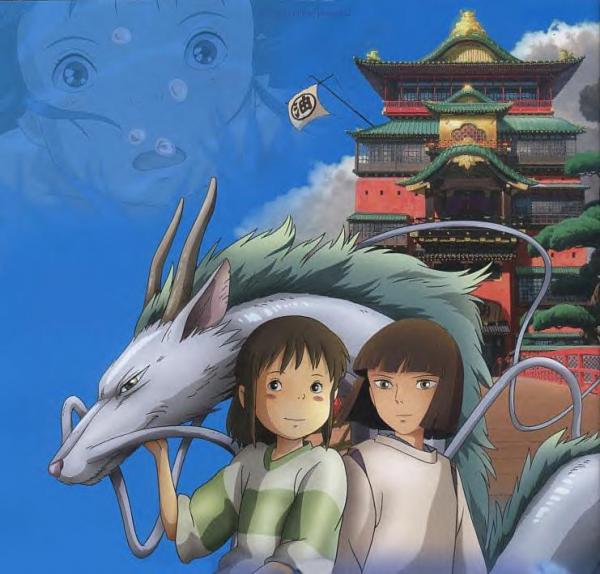
Haku ve Chihiro - Spirited Away

Chihiro: Haku, listen, I just remembered something from along time ago, I think it may help you. Once, when I was little , I dropped my shoe into a river. When I tried to get it back i fell in, I thought I’d drown but the water carried me to shore. It finally came back to me, the river’s name was the Kahaku river, I think that was you, and your real name is Kahaku river.

Haku: You did it, Chihiro, I remember, I was the spirit of the Kahaku river.

Chihiro: A river spirit?

Haku: My name is the Kahaku river.

Chihiro: They filled in that river, it’s all apartments now.

Haku: That must be why I can’t find my way home Chihiro, I remember you falling into the river, and I remember your little pink shoe.

Chihiro: So, you’re the one who carried me back to shallow water, you saved me… I knew you were good!

Haku ve Chihiro

Yerdeniz

Yerdeniz çoklamasının ilk kitabı olan A Wizard of Earthsea, evvelsi gün bitti. Kitap oldukça güzeldi ama beni en çok vuran sonundaki toparlama, ya da bağlama diyelim, oldu. Spoil edileceğinden korkmadan devam edebilirsiniz:

If Estarriol of Iffish kept his promise and made a song of that first great deed of Ged’s, it has been lost. There is a tale told in the East Reach of a boat that ran aground, days out from any shore, over the abyss of ocean. In Iffish they say it was Estarriol who sailed that boat, but in Tok they say it was two fishermen blown by a storm far out on the Open Sea, and in Holp the tale is of a Holpish fisherman, and tells that he could not move his boat from the unseen sands it grounded on, and so wanders there yet. So of the song of the Shadow there remain only a few scraps of legend, carried like driftwood from isle to isle over the long years. But in the Deed of Ged nothing is told of that voyage nor of Ged’s meeting with the shadow, before ever he sailed the Dragon’s Run unscathed, or brought back the Ring of Erreth-Akbe from the Tombs of Atuan to Havnor, or came at last to Roke once more, as Archmage of all the islands of the world.

Ursula K. LeGuin, A Wizard of Earthsea

Bu tür bir kapanışın bir benzeri ile, yıllar evvel, Doris Lessing’in Bir Sokak Çeşmesinin İçinden hikayesinde karşılaşmıştım; o da şöyleydi:

Bu hikaye, uçağa davet edildiğimiz duyurusuyla sona erdi. Işıklar altında tutam tutam beliren sis parçalarının hala dağılmadığı aprondan uçağa giderken Teksaslı hanım, hikayeyi anlatan adama, yoksa Ephraim siz misiniz, diye sordu.

“Hayır,” dedi Dr. Rosen, 60 yaşlarında Johannesburg’lu, çevik, iyi giyimli, dünya vatandaşlarının çoğu gibi dikkat çekici hiçbir özelliği olmayan adam.

Hayır, çok vurgulu bir şekilde, Ephraim değildi.

Öyleyse nereden biliyordu bütün bunları? Belki orada bulunmuştu?

Evet, orada bulunmuştu. Ama o korkunç, her şeyin alt üst olduğu hafta -ah korkunçtu! korkunç!- hangi sebeplerle bulunması gereken yerden 100 mil uzakta, o şehirde olduğunu anlatmaya kalksa bu hikaye şimdi bize anlatılandan çok daha uzun olurdu.

Hiç değilse NEDEN orada olduğunu bize anlatamaz mıydı?

Belki o da Ephraim’in kutusunun peşindeydi! İstersek böyle düşünebilirdik. Böyle düşünmemiz mazur görülebilir. O kutunun içinde bir servet yatıyordu ve birlikteki herkesin bundan haberi vardı.

Öyleyse Ephraim’in arkadaşıydı? Tanıyordu Ephraim’i.

Evet, böyle de söylenebilirdi. Ephraim’i, dur bakalım, 50 yıldır tanıyordu. Evet, Ephraim’in arkadaşıyım diyebilirdi.

Uçakta Dr. Rosen, bize artık bir şey anlatmadan oturup kitabını okudu.

Ama bir gün, Nikki, ya da Raffele adlı bir gençle tanışacağım: ya da boynundaki altın zincire bir inci asılı olan bir genç kızla: ya da, incilerin insana kötü şans getirdiğini düşünen, kendisi asla inciye el sürmediğini söyleyen orta yaşlı bir kadına rastlayacağım: bir zamanlar küçük kızkardeşine bir adam bir inci vermiş ve o olay kardeşinin bütün hayatını alt üst etmiş. Böyle bir şey olacak ve bu hikaye bambaşka bir şekil alacak.

Doris Lessing, Bir Sokak Çeşmesinin İçinden, çev: Taciser Belge

Dün de, Tombs of Atuan‘a başladım. Böylelikle [[fkk]]’m Neslihan Ece Arha’nın da adının nereden geldiğini öğrenmiş oldum. 8) Ayrıca, Yerdeniz serisinden sonra okuyacağım kitabı da buldum: pek sevebileceğimi sanmasam da Haruki Murakami’nin bir kitabı olacak – Norwegian Wood olabilir, Hard Boiled Wonderland olabilir, The Wind-Up Bird Chronicle olabilir – sanırım The Wind-Up Bird Chronicle olacak. Neyse, bekleyelim, görelim..