Doris Lessing

Beri yanda “Bir Yaşam Öyküsünden Notlar”ını editliyordum imla ve diğer şeylere karşı – birkaç ay önce (şimdi kitap listeme baktım da, 4 ay olmuş!)kütüphaneden aldığım toplama DL kitabından (Temptation of Jack Orkney) tarayıp, OCR marifetiyle apartmıştım. Doris Lessing’le yanlış hatırlamıyorsam 94’te tanışmıştım, hatta Bera’yla birlikte tanışmıştık. O yıllarda “Kelepir” kitapevleri açılıyordu – depolarda kalan kitaplar orada ucuzdan satılıyordu. İlk aldığım DL “Bir yaşam öyküsünden notlar” ile “Yaşlı kadın ve kedisi” hikayelerini içeren bir kitapçıktı. Yaşlı Kadın ve Kedisi’ni Bera çok sevmişti, ben de “Bir Yaşam Öyküsünden Notlar”a bayılmıştım. Bayılmak biraz tikice bir laf oldu, çarpılmıştım demek daha uygun. Bana çok yakından tanıdığım bir “arkadaşımı” anlatıyordu. Sonrasında Kelepir’de başka DL kitapları bulmuştum: Terörist, 5. Çocuk (ki ikisi de sucks!) Şarkı söyleyen otlar (Afrika hikayelerini oldum olası sevemedim). Bir yaşam öyküsünden notlar’lı kitabın kapağındaki DL resmi yüzünden sanırım, DL ile Ayşe Erzan’ı bir arada düşünür oldum (bakarsınız seneye de Ayşe Erzan bir Nobel alıverir, ne de güzel olur!) Defter dergisinde “Pek Sevimli Olmayan Bir Hikaye” adında bir hikaye okuyup çok sevmiştim, yazarına dikkat etmeden, sonrasında DL olduğunu görmüştüm o hikayenin yazarının da. Şikasta serisi çok sağlam bir fikre sahip olsa da bir türlü ısınamadım. Murat Yetkin -ki severim Radikal’in bu John Travolta’sını – bugünkü yazısında DL’e yer vermiş, sadık bir okuru olarak (gerçi o Terörist’i sevmiş ama argh yani bana kalırsa.. (Hatta bkz.)).

Birazdan heyecanıma yenik düşüp DL hakkında ahkama başlayacağım, başlıyorum… 5…4…3…….
DL’nin en sevdiğim yanı okuruna dürüst olmasıdır. Eğer hayat çetinse bu çetinliği gösterir. Kimse kimseyi kandırmaz, hiçbir şey olduğundan farklı gösterilmez. Duygusallığa düşmez, gözlemleri aktarıyor gibi yapar, olmadı düşünceleri aktarır. Soğukkanlı bir anlatıcıdır ve anlattığı olaylar sizin de tahmin edebileceğiniz olaylardır. Hiç beklenmedik bir şekilde insancıldır, insanları bu kadar iyi tanımasına rağmen. Hikayelerinde kötüler ve iyiler yoktur, insanlar vardır.

Evvelsi gün, okula gidiyordum ki, telefonum çaldı, arayan İTÜ’den arkadaşım Esra’ydı, doçentlik sınavından geçtiği müjdesini veriyordu, ben geçmişçesine sevindim, tüylerim diken diken oldu. Bu sabah da, gazetede Nobel’in DL’e gittiğini görünce aileden biri almış kadar sevindim, neşeyle Bengü’yle gösterdim ilgili haberi.. Allah bu iyi haberlerin devamını da getirsin inşallah. (Ve bu vesileyle bayramınız kutlu olsun!)

Bir Sokak Çeşmesinin İçinden..

The Nobel Prize in Literature 2007
Doris Lessing

The Nobel Prize in Literature for 2007 is awarded to the English writer Doris Lessing

“that epicist of the female experience, who with scepticism, fire and visionary power has subjected a divided civilisation to scrutiny”.


Açık konuşmak gerekirse, epicist ne demek, scrutiny ne demek bilmiyorum, yani pek anlamadım kardeşlerin ne demek istediklerini ama iyi bir şeydir herhalde. Dün Pamuk Orhan, bugün Lessing, ne mutlu bana. Bakarsın yarın da Murakami’ye verirler ödülü ama pek istemem doğrusu – ya Murakami ya Pamuk’tu benim düşüncemde, ikisine birden ödül vermek olmaz, Haruki bir 10 yıl beklesin, yerinde olur. Lessing’e de ödül biraz geç geldi zira zannımca son 10 yıldır yazar olduğu bilimkurgularda pek iş yoktu yahu. Önceden de demişimdir, Lessing’in üç döneminden (Afrika/İngiltere/BK) en (tek) sevdiğim bayıldığım hayran olduğum kesim İngiltere sosyal yaşantısı hakkında yazdıkları olageldi. Ama Altın Defter filan demeyin bana, o da çok bayıktı yahu… Yakında buraya Muriel’in hikayesini atarım (en sevdiğim hikayelerindendir). [Sonradan not: Bot’lar atlamasın yüzler asılmasın diye link vermiyorum, onun yerine benim blog’dan herhangi bir girişi açın, adres index.php?msg=2209 gibi bir şey olacak, işte o en sondaki msg=xxxx sayısını 2211 yapınız, afiyet olsun 8]

Miranda July – No One Belongs Here More Than You

Miranda July - No One Belongs Here More Than You DoMiranda July’ı Me and You and Everyone We Know (2005) ile tanıdım ve hemen oracıkta çarpıldım. Birkaç ay evvel, Barış’la lab’da otururken, son derece olağan bir şey söylüyormuş gibi “Miranda July’ın yeni kitabı çıkmış..” dedi de, inanamadım. İnterneti yokladığımda kitabın sitesi ile karşılaştım, Hande de hazır İngiltere’ye gidiyorken, ondan kitabı rica ettim, o da sağolsun, beni kırmayıp bu güzel hediye ile geldi.

Kitaptaki 16 hikayenin tümünü koklaya koklaya okudum. Naif hikayeler bunlar, anlatıcının hep hikayenin en kırılgan insanı olduğu hikayeler. Yeni tanıştığınız bir insanla bir yerden bir yere giderken yan yana yürüdüğünüzde onun da en az sizin kadar bir insan olduğunu, binlerce anısı olduğunu akıl etmek gibi bir şey. Onunla havadan sudan şeyler konuşmaktayken aslında size ulaşmaya çalışmaya çırpındığını fark etmek, sizin hoşunuza gitmeye uğraştığını fark etmek, buna gerçekten çok ihtiyacı olduğunu fark etmek gibi bir şey. Ya da yazarın kendi ağzından söylemek gerekirse:

I’m not following you.
My car’s parked over there.

– In Smart Park?
– No, on Front Street.

Oh, I parked in Smart Park.

So, at the end of the next block
we’ll separate. At Tyrone Street.

Yeah, the “Ice Land” sign is halfway.

It’s the halfway… point.

Ice Land is—

It’s kind of like that point
in a relationship, you know…

where you suddenly realize
it’s not gonna last forever.

You know, you can
see the end in sight.

Tyrone Street.

Yeah, but we’re not even there yet.

We’re still at the good part.
We’re not even sick of each other yet.

I’m not sick of you at all.

And wow! It’s been a good
like six months, right?

What? Six months?

Then the Ice Land sign
is like eight months?

You think we’d only last
a year and a half?

I don’t know. I don’t
want to be presumptuous.

– I don’t know if you’re married or what.
– I’m not.

Well, I’m separated.
We separated last month.

I was thinking…

that Tyrone…

was like years away at least.

– Yeah?
– Yeah.

Okay. Well, actually
I was thinking…

Tyrone is, like,
when we die of old age.

And this is, like, our whole life
together, this block.

See, that’s perfect.

– Let’s do it that way.
– Okay.

Well, guess it can’t be avoided.
Everyone dies.

I could walk you to your car.

Maybe we should just be glad…

that we lived this long,
good life together.

You know, it’s so much more
than most people ever get to have.

– Okay.
– Okay.

– Well, don’t be afraid.
– Okay.

– Here we go.
– Here we go.

Miranda July, You and Me and Every One We Know senaryosundan detay..

Hikayelerden en sevdiğim Mon Plaisir oldu. “Yaşanan bir başkalaşımın ardından eski hali gözden geçirebilme yeteneğinin gelişi hakkında” şeklinde hayli entel dantel bir klasmana dahil edebileceğimiz bu hikayeye arkadaş olarak Something That Needs Nothing ile Birthmark‘ı da dahil edebiliriz. Hikayelerin çoğu nereye varacağı bilinmeden yazılmaya başlanmış tadında. Miranda July, çarpıcı/değişik/absürd bir ilk paragraf yazıp, oradan denize açılıyor. Son hikaye olan How to Tell Stories to Children‘la bir Doris Lessing hikaye toplamasında karşılaşsam yadırgamazdım. Something That Needs Nothing‘le birlikte, en yaralayıcı hikaye. Filmine en yakın tadı aldığım hikayeler hayli gerçekçi ama bir o kadar da olmaz gelen Ten True Things ile naif (sanıyorum aynı giriş içinde ikinci kez ‘naif’ kelimesini kullandım) The Boy From Lam Kien oldu. The Swim Team “Miranda July 101” dersi için ideal bir referans olurdu.

Ian M. Banks’in Inversions’ında Perrund adlı bir nedime, kralın çocuğuna bir hikaye anlatır:

‘Will you tell me a story?’
‘A story? I’m not sure I know any.’
‘But everybody knows stories. Didn’t you used to be told stories when you were little? . . .

Perrund?’
‘Yes. Yes, I’m sure I was. Yes, I have a story.’
‘Oh good . . . Perrund?
‘Yes. Well. Let me see. Once upon a time . . . once upon a time there was a little girl.’

‘Yes?’

‘Yes. She was rather an ugly child, and her parents did not like or care for her at all.’

‘What was her name??

‘Her name? Her name was… Dawn.’

‘Dawn. That’s a pretty name.’

‘Yes. Unfortunately she was not very pretty, as I have said. She lived in a town she hated with parents she loathed. They made her do all sorts of things they thought she ought to do, which she hated, and they kept her locked up a lot of the time. They forced her to wear rags and sacking, they refused to buy her shoes for her feet or ribbons for her hair and they did not let her play with the other children. They never told her any stories at all.’

‘Poor Dawn!’

‘Yes, she was a poor thing, wasn’t she? She would cry herself to sleep most nights, and pray to the old gods or appeal to Providence to deliver her from such unhappiness. She wished that she could escape from her parents, but because they kept her locked up she could not. But then one day the fair came to town, with players and stages and tents and jugglers and acrobats and fire-breathers and knife-throwers and strong men and dwarves and people on stilts and all their servants and performing animals. Dawn was fascinated by the fair and wanted to see. it and be made happy by it, for she felt that she had no life at all where she was, but her parents hid her away. They did not want her to have fun watching all the wonderful acts and shows, and they were worried that if people saw that they had such an ugly child they would make fun of them and perhaps even tempt her to leave to become an exhibit in their freaks of nature show.’

‘Was she really that ugly?’

‘Perhaps not quite that ugly, but still they didn’t want her to be seen, so they hid her away in a secret place they had fashioned in their house. Poor Dawn cried and cried and cried. But what her parents did not know was that the people of the fair always sent some of their performers round the houses in the town, to do little acts of kindness, or to help out with chopping kindling, or to clean up a yard, so that people would feel beholden to them and go and see the fair. They did this in Dawn’s town, and of course her parents, being very mean, could not pass up the opportunity to have some work done for free.

‘They invited the performers into their house and had them tidy it all up, though of course it was quite tidy already because Dawn had done most of the work. While they were cleaning the house, and even leaving little presents behind, for these were very kind and generous performers — a clown, I think, and a fire-breather and a knife-thrower — they heard poor Dawn crying in her secret prison, and they released her and made her happy by their antics, and were very kind to her. She felt appreciated and loved for the first time, and tears of joy rolled down her face. Her bad parents had hidden themselves in the cellar, and later on they ran away, embarrassed at having been so cruel to Dawn.

‘The performers from the fair gave Dawn her life back. She even started to feel not so ugly, and was able to dress better than her parents had let her dress, and feel clean and good. Perhaps, she thought, she was not destined to be ugly and unhappy all her life, as she had imagined. Perhaps she was beautiful and her life would be full of happiness. Somehow just being with the performers made her feel pretty, and she started to realise that they had made her beautiful, that she had only been ugly because people had told her she was ugly and now she was not. It was like magic.

‘Dawn decided that she wanted to join the fair and go with the performers, but they told her sadly that they could not let her do that because if they did then people might think that they were the sort of people who took little girls away from their families, and their good name would suffer. They told her she ought to stay and look for her parents. She saw the sense of what they were telling her, and because she felt strong and capable and alive and beautiful, she was able to wave goodbye to the fair when it left and all the kind performers went away to take their happiness and kindness to another town. And do you know what?’

‘What?’

‘She did find her parents, and they were nice and good to her for ever afterwards. She found a handsome young fellow, too, and married him and had lots of babies and they lived happily ever after. And, as well as all that, one day, she did catch up with the fair, and was able to join it and be part of it and try to think of a way to repay the performers for their earlier kindness.

‘And that is the story of Dawn, an ugly, unhappy child who became beautiful and happy.’

‘Hmm. That is quite a good story. I wonder if Mr DeWar has any more stories about Lavishia. They are a bit strange, but I think he means well. I think I ought to sleep now. I — oh!’

‘Ah, I’m sorry.’

‘What was that? Water? On my hand . . .’

‘It was just a happy tear. It is such a happy story. It makes me cry. Oh, what are you— ?’

‘Yes, it tastes of salt.’

‘Oh, you are a charmer, young Master Lattens, to lick a lady’s tears up so! Let go my hand. I must . . . There. That’s better. You sleep now. Your father will be here soon, I’m sure. I’ll send in the nurse to make sure you’re tucked in properly. Oh, do you need this? Is this your comforter?’

‘Yes. Thank you, Perrund. Good night.’

‘Good night.’

Iain M. Banks, Inversions‘dan detay..

Sonradan öğreniriz ki, bu hikaye Perrund’un hikayesidir ve ancak tamamıyla ters çevrilerek anlatıldığında dayanılabilir hale gelmektedir… Miranda July’ın This Person‘ı da işte “böylesine mutlu” bir hikayeydi.

Alıntılarla birlikte epey uzun bir giriş oldu. Bu girişe başlarken aklımda The Swim Team ile This Person’ı, hatta belki de Mon Plaisir’i dijital ortama geçirip paylaşmak vardı ama sonradan vazgeçtim. Ayrıca başından beri de Michael Andrews’un yaptığı filmin soundtrack’ini dinliyorum. Bendeki hali tek parça, 49 dakikalık bir dosya, vaktiyle http://www.elginpark.com/meandyousite1.html adresinden apartmıştım, tavsiye ederim.

Miranda July!..

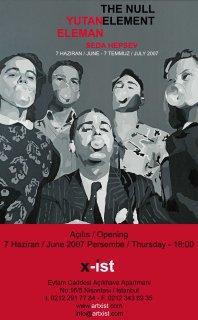
Severiz Biz Seda’yı.

Blog yazarken insan, öncelikle arkadaşlarının okuyacağını düşünüyor, sonrasında tanımadığı insanların bir şekilde bir şey arayıp geldiklerini, bir kelebek misali sayfaya konduklarını, sonrasında da belki şu servisteki kızın, “kim arıyordu diyeyim?” diye sorunca, isminizi, cisminizi belirttiğiniz şu sekreterin, bir şekilde bir yerlerde isminizi duyan bir kişinin okuduğunu düşünüyor. Sizin blogunuzu okuduğunu düşünmediğiniz / var sayamadığınız / ön göremediğiniz ve dahi tersaneleri zapt edilmiş olan akrabalarınız klasman dışı her zaman! O yüzden de sürprizleri daha bir etkili oluyor.

Seda, Bengü’nün akrabası, “bunun dışında” çalışmalarını hayli beğendiğimiz bir sanatçı (grafik sanatçısı yeterli olmuyor, değil mi tanıma). Nesri de güçlüymüş, şimdi bloguna bakarken keşfettim:

Akrabalık olayları, akrabalık vasıtasıyla tanışma olayı (“akraba in law”) hakikaten garip olaylar. Bonus gibi 8)

Seda Hepsev, Yutan Eleman, 2007

“Yiyiyorum yiyiyorum bitmiyor” dedim.
“Gidip gidip varamamaktan iyidir” dedi.
“Öyle söyleme” dedim ben de. “Gitmek iyidir, hem yolda olmak zaman kaybı degildir ki.”
Sonra bir gün yolda karşılaştık. Ama gittiğimiz yönler farklıydı. Tam da bu yüzden karşılaştık.
“Aynı tarafa gitseydik birbirimizi göremezdik ki” dedim.
“Hep iyimserdin sen” dedi.
Zaten biz de kucaklaşmadık, selamlaştık sadece.

“Hangisi daha kötü hissettirir sence?” diye sordum. Çok güzel bir rüya görürken uyanmak mı, yoksa kabus görüp uyanmak mı?”
Cevap vermedi.
Galiba en son gördügü rüyayı hatırlamaya çalışıyordu.

“Çok yalnızım ben” diyerek geldi bir gün. “Hatta o kadar yalnızım ki, dünyada bir tek ben yalnızmışım gibi hissediyorum.”
“Gidip bir köpeğin gözlerine bak, iyi gelir” dedim.

“Görüşürüz demek gerçekten görüşmek anlamına gelmiyor biliyor musun?” dedim.
Alaycı bir biçimde hafifçe gülerek, “bu bir soru mu simdi?” dedi.

“Aklıma gelmişken” dedim. “Ben sandığın kadar iyimser değilim. Mesela bahar aylarını hiç sevmem.”
“Zaten o yüzden iyimsersin” dedi. “Bahardan başka üç mevsim daha var.”

Gelip, kulaklıklarımı kulaklarımdan çekip bağırarak birşeyler söyledi. Ama o kadar yakından söyledi ki, ben yine duyamadım. Daha doğrusu anlamadım.

“Belki de bunların hepsi birer isarettir” dedi. “Prenses Mononoke’de de öyle söylemiyorlar mıydı: Kaderini degistiremezsin ama onunla yüzlesebilirsin.”
“Boşver, hepsi tesadüf” dedim.
Herkes gibi o da inanmak istemedi. Ben de, herkesin bir bildiği var mıdır acaba diye düşündüm.

Aradan uzunca bir süre geçti. Tekrar bulusup konuştuklarımızı hatırladık.
Gülüp geçtik.
Bir baktık, büyümüşüz.

Seda Hepsev

Zaku, Culture ve Ben Türkiye’deyken…

Bu aralar yine Iain M. Banks‘in The Culture evrenine dönüş yaptım serinin 6. kitabı Inversions ile. Üç – dört gündür okuyorum, herhalde bugün biter. Bu kitabın bir özelliği de, Culture’ın adının hiç geçmemesi. Aslına bakarsanız, kitap bizim Orta Çağ Avrupası’na benzer bir zaman-mekan diliminde geçmekte. Biri bir bayan doktor (Vossil), diğeri de bir fedainin (DeWar) üzerinden birbirinden bağımsız gelişen iki hikaye üzerinden anlatım yapılıyor; bir bölüm birine, diğer bölüm diğerine ayrılmış durumda. Ama, Culture evrenini biliyorsanız, çok geçmeden, aslında bu iki kişinin Culture’dan bu dünyaya geldiklerini anlıyorsunuz. Aralarda DeWar masal anlatır gibi, kralın oğluna “uzak” bir ülkeden, Lavishia’dan bahsediyor:

‘I think it might be time for a story,’ Perrund said, and pulled the boy back to a sitting position. ‘DeWar?’

DeWar sat and thought for a moment. ‘Well,’ he said, ‘it’s not much of a story, but it is a story of sorts.’

‘Then tell it.’

‘It is suitable for the boy?’ Huesse asked.

‘I shall make it so.’ DeWar sat forward and shifted his sword and dagger. ‘Once upon a time there was a magical land where every man was a king, every woman a queen, each boy a prince and all girls princesses. In this land there were no hungry people and no crippled people.’

‘Were there any poor people?’ asked Lattens.

‘That depends what you mean. In a way no, because they could all have any amount of riches they wanted, but in a way yes, for there were people who chose to have nothing. Their hearts’ desire was to be free from owning anything, and they usually preferred to stay in the desert or in the mountains or the forests, living in caves or trees or just wandering around. Some lived in the great cities, where they too just roved about. But wherever they chose to wander, the decision was always theirs.’

‘Were they holy people?’ Lattens asked.

‘Well, in a way, maybe.’

‘Were they all handsome and beautiful, too?’ Huesse asked.

‘Again, that depends what you mean by beautiful,’ DeWar said apologetically. Perrund sighed with exasperation. ‘Some people see a sort of beauty in ugliness,’ DeWar said. ‘And if everybody is beautiful there is something singular in being ugly, or just plain. But, generally, yes, everybody was as beautiful as they wanted to be.’

‘So many ifs and buts,’ Perrund said. ‘This sounds a very equivocal land.’

‘In a way,’ DeWar smiled. Perrund hit him with a cushion. ‘Sometimes,’ DeWar continued, ‘as people in the land brought more of it under cultivation—’

‘What was the name of the land?’ Lattens interrupted.

‘Oh . . . Lavishia, of course. Anyway, sometimes the citizens of Lavishia would discover whole groups of people who lived a bit like the wanderers, that is, like the poor or holy people in their own land, but who did not have the choice of living like that. Such people lived like that because they had to. These were people who hadn’t had the advantages in life the people of Lavishia were used to. In fact, dealing with such people soon became the biggest problem the people of Lavishia had.’

‘What? They had no war, famine, pestilence, taxes?’ Perrund asked.

‘None. And no real likelihood of the last three.’

‘I feel my credulity being stretched,’ Perrund muttered.

‘So in Lavishia everybody was happy?’ Huesse asked.

‘As happy as they could be,’ DeWar said. ‘People still managed to make their own unhappinesses, as people always do.’

Perrund nodded. ‘Now it begins to sound plausible.’

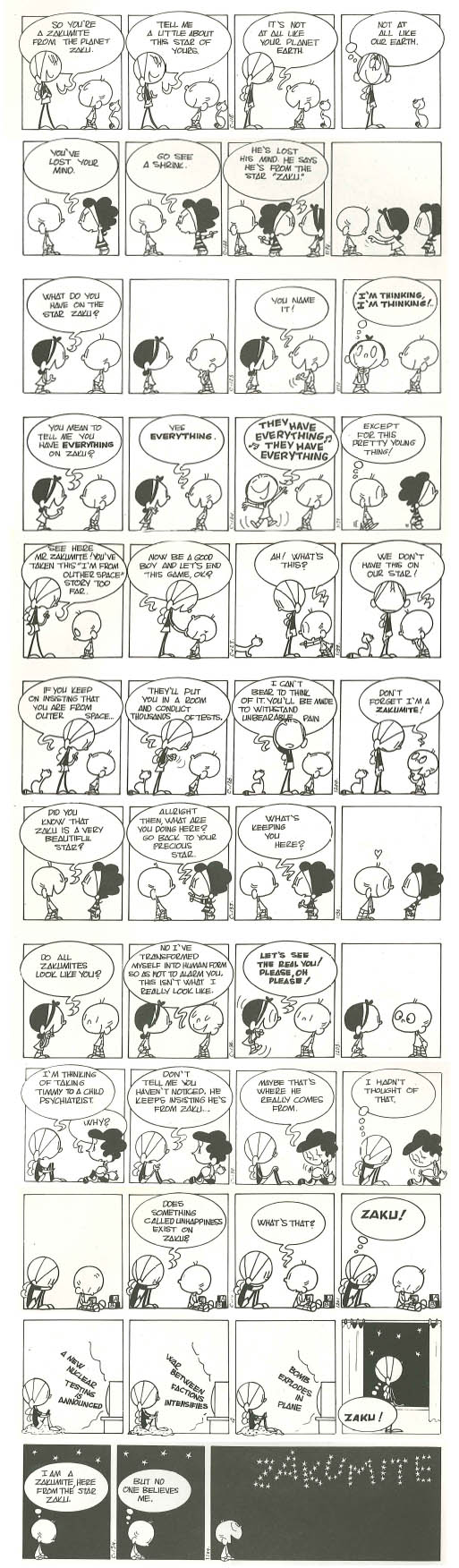
Kesin daha önceden de yazmışımdır, Special Circumstances gibi en uç birimlerini göz ardı edersek, Culture benim ütopyam, yaşamak istediğim yer. Bir de Banks her Culture romanını o kadar öyle yerlerde geçirtiyor ki, her şey her yer çok tanıdık ve bu kadar tanıdık olduğundan bir o kadar da bunaltıcı geliyor insana. Böyle durumlarda, Piyale Madra’nın Piknik’inin ZAKU’sunun özlemiyle yanıp tutuşuyorum…

Piyale Madra, Ahh! Picnic! Zaku
Bütün Zaku serisi için tıklayınız..